Thames Tideway Tunnel Decommissioning Project

Client CVB
Location Central London
Value £23m

We delivered a complex programme of marine engineering operations on the tidal River Thames, supporting the construction of one of the UK’s most ambitious infrastructure projects, the Thames Tideway Tunnel.

Working with our client, CVB, this project spanned more than three years and formed part of a landmark programme that will transform the River Thames’ environmental health for generations.

Often referred to as London’s “Super Sewer”, the Thames Tideway Tunnel has been built to tackle one of the capital’s most pressing environmental challenges. The new tunnel captures sewage and stormwater overflows that would otherwise discharge directly into the River Thames during heavy rainfall, significantly improving water quality, protecting wildlife and habitats, and creating a healthier environment.

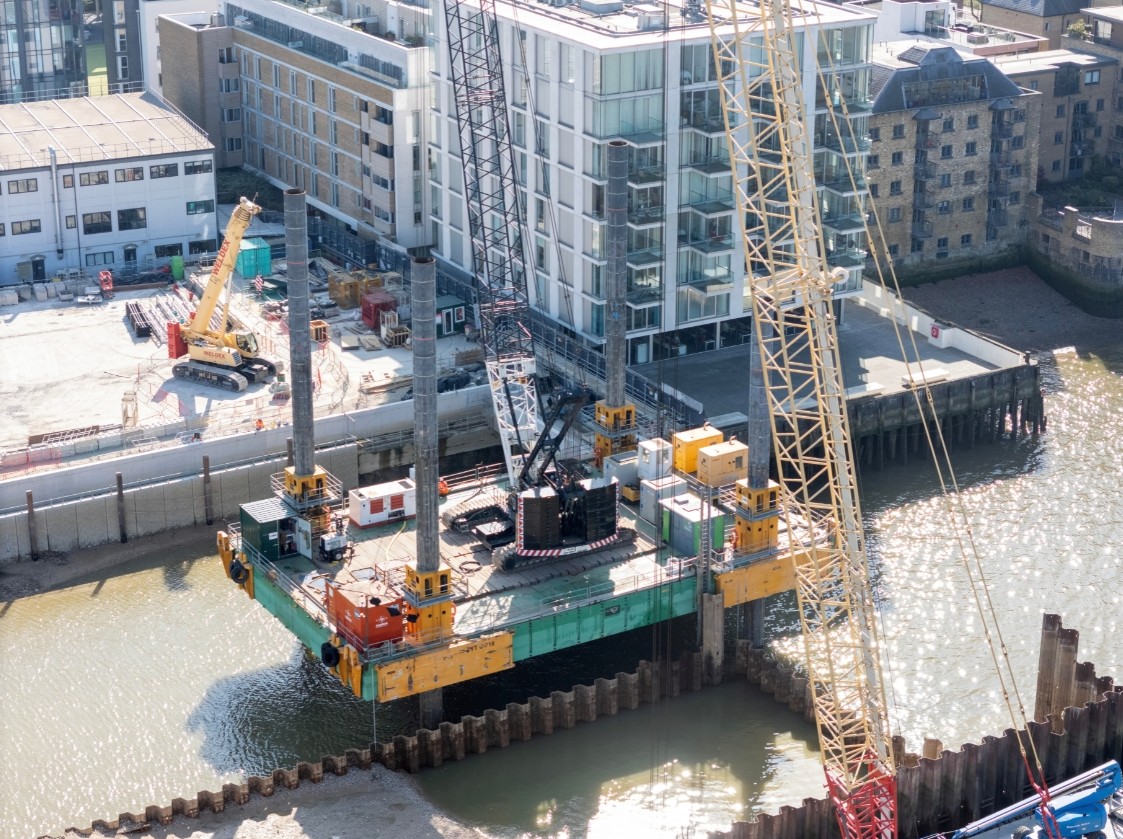
Land + Water was appointed to remove the temporary cofferdams and associated works at both Chambers Wharf and King Edward Memorial Park. Working within a highly regulated environment, subject to archaeological, navigational and environmental constraints, the works included:

  • Extraction of cofferdam structures, sheet piles, CFA piles (a complex and specialist operation to remove them underwater), tie rods, and temporary works infrastructure.
  • Removal of mass backfill material.
  • Dredging and reprofiling of the foreshore.
  • Installation of permanent underwater scour protection to safeguard the new river wall infrastructure.


These works culminated in the removal of approximately 140,000 tons of cofferdam backfill, the extraction of approximately 3,000 tonnes of sheet piles, the cutting and removal of approximately 180no. 600-750 mm diameter CFA piles, including piles cut within the tidal or underwater working zone and c.7,500 m2 of foreshore reinstatement.

As a regenerative contractor, we worked with CVB and the consenting authorities to recycle and reuse most of the materials removed during the project, including sheet piles, CFA piles and backfill material.

Stone recovered from the original cofferdam was processed at our specialist recycling facility at Rainham Marshes, where we screened, washed, and graded it for reuse. We then used the recycled material to restore the foreshore, helping protect the riverbed from scour while creating valuable spawning habitat for marine life. This approach reduced waste, minimised disposal and left a lasting environmental benefit for the River Thames.
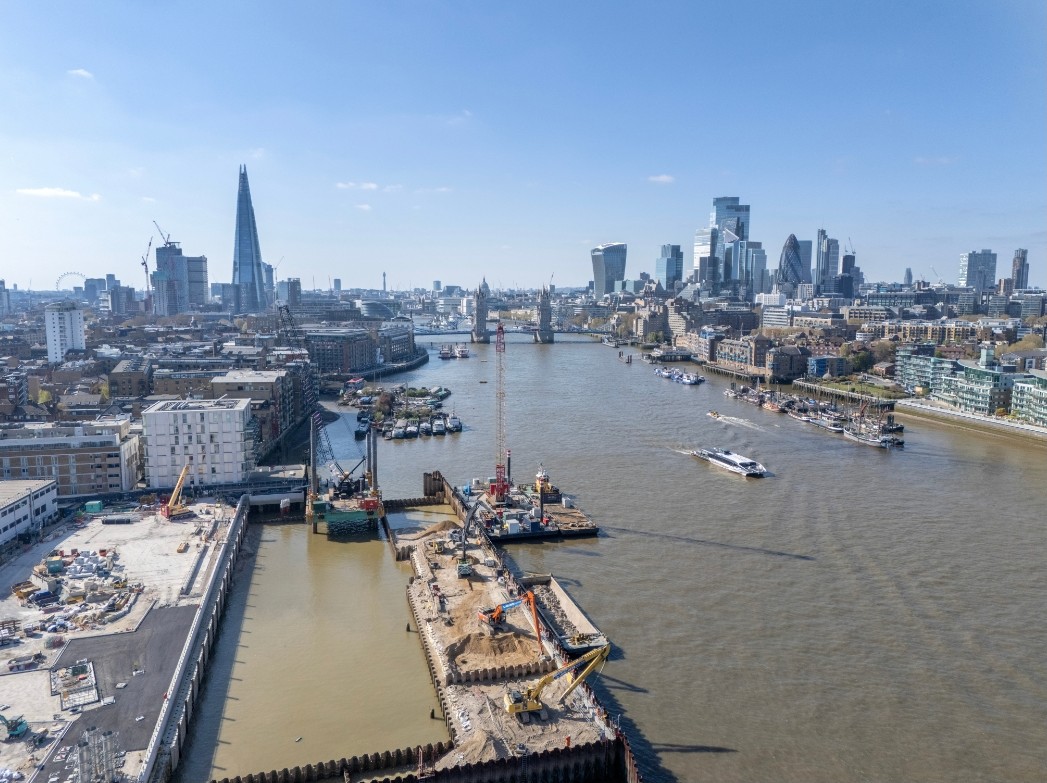
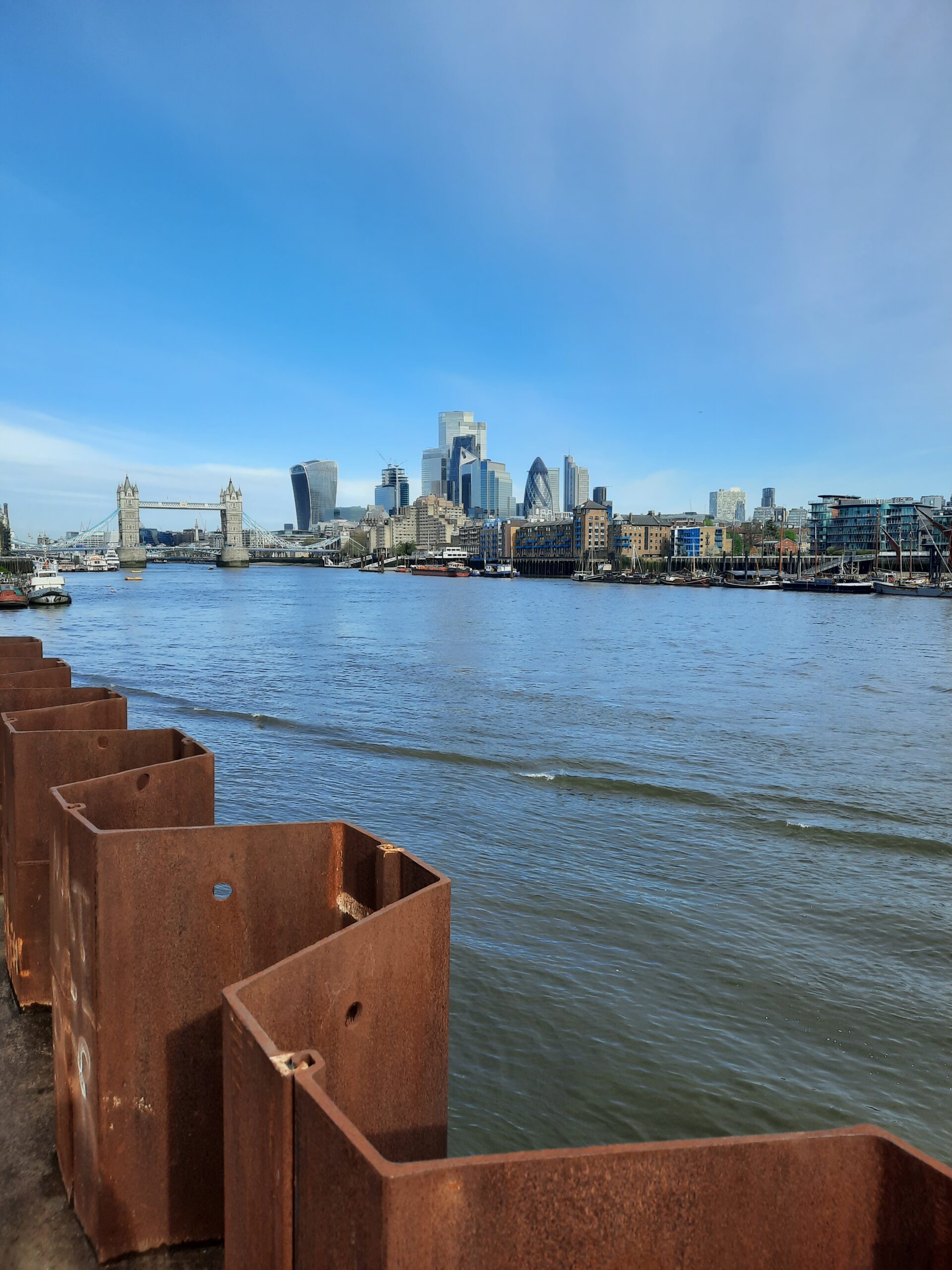
The objective of this project was not simply demolition and removal, but to carefully reinstate a functioning tidal habitat while ensuring the riverbank’s long-term resilience.

As our industry increasingly focuses on nature-positive outcomes, projects like this demonstrate how engineering can support both critical infrastructure and environmental recovery. The goal was to leave the foreshore in a condition that protects the asset, supports the river environment, and allows the Thames to continue functioning as one of London’s most important natural and commercial resources.

Success on the project relied on close collaboration with Thames Tideway, CVB, and the key consenting authorities, including the Port of London Authority (PLA), Environment Agency and the Marine Management Organisation (MMO). Through constructive and proactive engagement, the project team successfully navigated the challenges of working within the unique operational constraints of the tidal Thames.

Images courtesy of CVB

Next project